Source Modern Reading Led Table Light with Magnifying Glass for eyes, face, and hands
Compare 30 Modern Reading Led Table Light with Magnifying Glass options featuring LED or fluorescent lighting, glass or plastic lenses, and adjustable magnification. These desktop units support applications for eyes, face, and hands with customizable features.
Key considerations
Products List


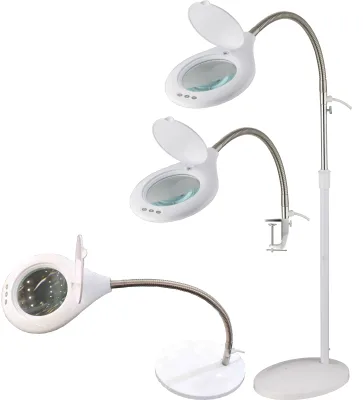
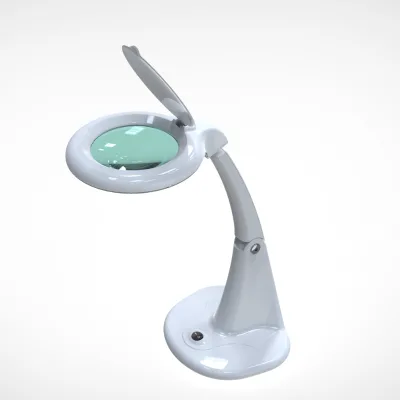
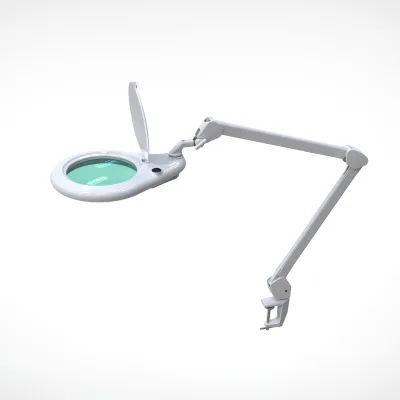
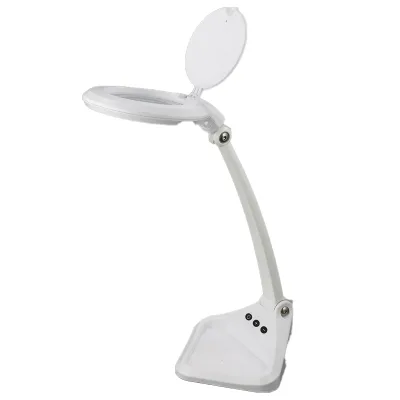
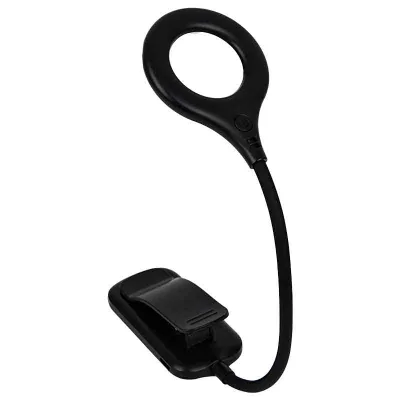


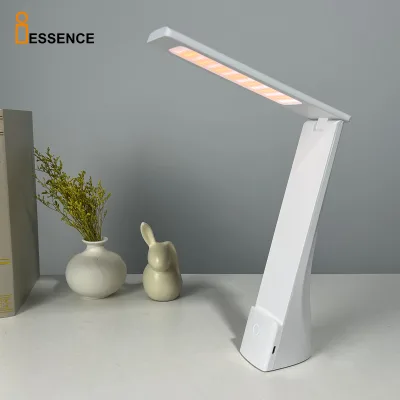
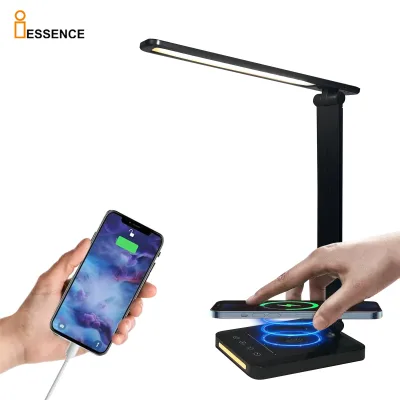
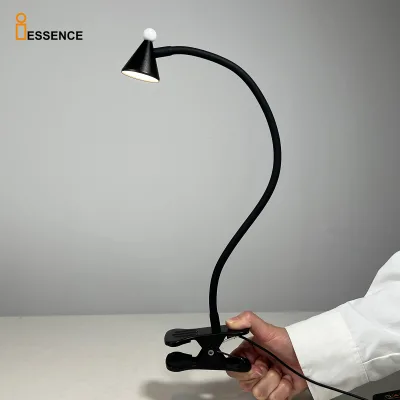


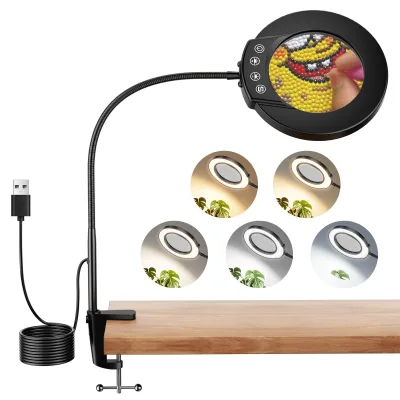
Manufacturer Contemporary Foldable Table Desk Book Reading Lamp LED Paper Light
$16.00 - $18.90
MOQ: 45 Pieces



Comprehensive Sourcing Guide
Modern Reading Led Table Light with Magnifying Glass Sourcing Guide
Sourcing a modern reading LED table light with a magnifying glass requires balancing optical clarity, ergonomic design, and electrical safety. These devices serve as critical tools for detailed visual tasks, ranging from professional jewelry inspection and electronics repair to personal grooming and hobbyist crafts. The integration of high-intensity LED lighting with concave or flat glass lenses allows users to maintain focus on small details without straining their eyes. Buyers must recognize that while the core function remains consistent, the specific configuration of light sources, lens materials, and structural adjustability varies significantly across suppliers. Understanding these variations is essential for selecting a unit that aligns with specific operational needs, whether for industrial quality control or consumer retail.
The procurement landscape for these magnifying lamps is diverse, featuring products that range from simple desktop units to complex, portable folding designs. Observed market listings indicate a wide spectrum of capabilities, including models with circular fluorescent lamps, SMD LED arrays, and standard LED configurations. Some units are designed for stationary desktop use with robust metal or plastic bases, while others prioritize portability with folding mechanisms. This diversity means that a single specification sheet rarely covers all potential variants. Buyers must carefully distinguish between products intended for heavy-duty industrial use and those designed for lightweight, occasional personal use, as this distinction directly impacts durability, warranty terms, and total cost of ownership.
Product Scope and Observed Listing Signals
The current market offers a variety of structural forms, primarily categorized by their base design and portability features. Desktop structures are prevalent, providing stability for tasks requiring precise hand movements, such as soldering or detailed assembly. These units often feature metal handles or stands to support the weight of the lens and lighting assembly. In contrast, portable options, such as folding types, are designed for users who need to transport the device to different workstations or job sites. These portable models may utilize ABS plastic or lightweight metal alloys to reduce weight while maintaining structural integrity. Buyers should verify the specific structure type to ensure it matches their workspace constraints and mobility requirements.
Lighting technology is a primary differentiator among modern reading lights, with options ranging from traditional fluorescent lamps to advanced LED systems. Some listings feature circular fluorescent lamps, which provide broad, even illumination but may generate more heat and have shorter lifespans. Others utilize SMD LED arrays, with counts varying from 56 to 90 pieces, offering higher energy efficiency and longer operational life. The power consumption for these devices typically ranges from 10W to 22W, depending on the light source and intensity settings. Additionally, some models include electronic ballasts for fluorescent options, while LED models rely on internal drivers. Buyers must evaluate the trade-offs between light quality, energy efficiency, and maintenance costs when selecting the appropriate lighting technology for their application.
Technical Specifications to Verify
Lens specifications are critical for determining the utility of the magnifying glass, with sizes typically ranging from 3.5 inches to 5 inches. The material of the lens is equally important, with glass lenses offering superior optical clarity and scratch resistance compared to plastic alternatives. Magnification levels vary, with common options including 1.75x and 2.25x, allowing users to choose based on the level of detail required for their tasks. Some models offer adjustable diopter settings, such as 3 or 5, which can further enhance focus for specific visual needs. Buyers should confirm the lens size and material to ensure it meets their optical requirements, as larger lenses provide a wider field of view but may increase the overall footprint of the device.
Electrical compatibility and power specifications must be verified to ensure safe and effective operation in the target market. Voltage ranges commonly observed include 110V-120V and 220V-240V, indicating that many models are designed for dual-voltage use. However, plug types vary, with EU plugs being a common configuration in certain listings. Buyers must ensure that the supplied plug type matches their local electrical infrastructure or that appropriate adapters are included. Additionally, the power rating of the device, whether 10W, 11W, or 22W, should be considered in relation to the intended usage duration and energy costs. Confirming these electrical details prevents compatibility issues and ensures that the device operates safely within the user’s environment.
Compliance and Safety Documentation
Certification requirements are a fundamental aspect of sourcing electrical and optical devices, ensuring that products meet regional safety and quality standards. Common certifications observed in the market include CE and ISO9001, which indicate compliance with European safety directives and quality management systems, respectively. Buyers must verify that the supplier can provide valid certification documents for the specific models being purchased, as these documents are often required for customs clearance and market entry. The presence of these certifications suggests that the manufacturer adheres to established protocols for electrical safety and manufacturing quality, reducing the risk of product failures or safety hazards.
Warranty and after-sales support are essential components of the procurement agreement, providing protection against defects and operational issues. A standard warranty period of one year is commonly offered, covering manufacturing defects and component failures. Buyers should clarify the scope of the warranty, including whether it covers labor costs for repairs or only replacement parts. Additionally, after-sales services such as online support can be valuable for troubleshooting technical issues or obtaining replacement components. Understanding the terms of the warranty and the availability of support services helps buyers mitigate risks and ensures long-term satisfaction with the purchased equipment.
Cost Drivers and Commercial Terms
Pricing for modern reading LED table lights with magnifying glasses varies based on several factors, including material quality, lighting technology, and customization options. Observed price ranges in the market span from $2 to $59, reflecting the diversity of product configurations and quality levels. Higher-priced models typically feature glass lenses, advanced LED arrays, and robust metal construction, while lower-priced options may use plastic components and simpler lighting systems. Buyers should align their budget with their specific requirements, recognizing that investing in higher-quality materials and technologies can lead to better performance and longer service life.
Minimum Order Quantities (MOQ) and customization options also influence the commercial terms of the procurement. MOQs can range from 1 to 300 units, depending on the supplier’s production capabilities and inventory policies. For buyers seeking custom branding, options such as customized logos are often available, which may incur additional costs or require higher MOQs. Packaging is typically provided in color boxes, which protect the product during shipping and enhance retail presentation. Buyers should negotiate these terms carefully, considering the balance between unit cost, order volume, and customization needs to optimize their overall procurement strategy.
Supplier Qualification and Quality Control
Supplier qualification involves assessing the manufacturer’s ability to produce consistent, high-quality products that meet specified requirements. Buyers should verify the supplier’s production capabilities, including their experience with LED lighting and optical components. The origin of the products, often listed as China, particularly Zhejiang province, indicates a concentration of manufacturing expertise in this region. However, buyers must conduct due diligence to ensure that the supplier adheres to quality control standards and can provide consistent product performance. Requesting samples before placing large orders is a prudent step to evaluate build quality, optical clarity, and electrical safety.
Quality control processes should be clearly defined and agreed upon with the supplier to ensure that the delivered products meet the buyer’s expectations. This includes verifying the accuracy of specifications such as lens size, magnification, and power ratings. Buyers should also inquire about the supplier’s testing procedures for electrical safety and durability. Establishing clear quality benchmarks and inspection criteria helps prevent discrepancies between ordered and delivered goods. Additionally, maintaining open communication with the supplier regarding any quality concerns ensures that issues are addressed promptly and effectively, fostering a reliable long-term partnership.
Long-Term Procurement Checks
Long-term procurement success depends on the ability to monitor product performance and supplier reliability over time. Buyers should track key performance indicators such as defect rates, warranty claims, and customer feedback to assess the ongoing quality of the products. Regular reviews of supplier performance help identify potential issues early, allowing for corrective actions before they impact operations. Additionally, staying informed about changes in technology and market trends ensures that the procurement strategy remains aligned with evolving needs. For example, advancements in LED technology or new safety regulations may necessitate updates to product specifications or supplier requirements.
Sustainability and lifecycle management are increasingly important considerations in modern procurement. Buyers should evaluate the environmental impact of the products, including energy efficiency and material recyclability. LED lights, for instance, offer significant energy savings compared to traditional fluorescent lamps, contributing to lower operational costs and reduced carbon footprints. Additionally, understanding the end-of-life disposal options for the products helps buyers comply with environmental regulations and corporate sustainability goals. By integrating these long-term checks into their procurement process, buyers can ensure that their sourcing decisions support both operational efficiency and broader strategic objectives.
FAQs
What is the magnification range for these LED magnifying lamps?
The magnification range is typically 1.75x to 2.25x depending on the specific model selected. Some units offer diopter options of 3 or 5 to suit different visual needs. This allows users to adjust the view for detailed tasks on the face, eyes, or hands.
Can these desktop lamps be customized with a logo?
Yes, customized logo services are available for these modern reading LED table lights. Buyers can request branding on the product or packaging to enhance their business identity. This customization option is suitable for bulk orders seeking unique product differentiation.
Which voltage options are supported by these magnifying lamps?
These lamps support dual voltage inputs ranging from 110V to 120V and 220V to 240V. This flexibility ensures compatibility with electrical standards in various regions without needing adapters. The electronic ballast manages power efficiently for consistent LED performance.
How many LED lights are included in the standard lighting setup?
The lighting setup includes either 56 or 60 pieces of SMD LED lights depending on the model. Some specific configurations list 90 PCS LED lights for enhanced brightness. These light sources provide uniform illumination for reading or detailed work on the body and face.
What materials are used for the lens and mirror surface?
The lens material is typically glass, with specific sizes like 5 inches or 3.5 inches available. The mirror surface features a concave shape to optimize magnification and focus. The main body structure often utilizes durable plastic or ABS materials for stability.
What is the warranty period for these magnifying lamps?
A standard warranty period of 1 year is provided for these products. This coverage ensures protection against manufacturing defects during the initial usage phase. Online support is also available to assist with any technical inquiries or maintenance needs.
Are these magnifying lamps portable and foldable?
Yes, these portable magnifiers are designed with a folding type structure for easy transport. They are classified as desktop units but offer luxury and portable styles for versatile use. The compact design allows them to be stored conveniently when not in use.